Journal · 16 April 2026
How a false break looks on a printed range
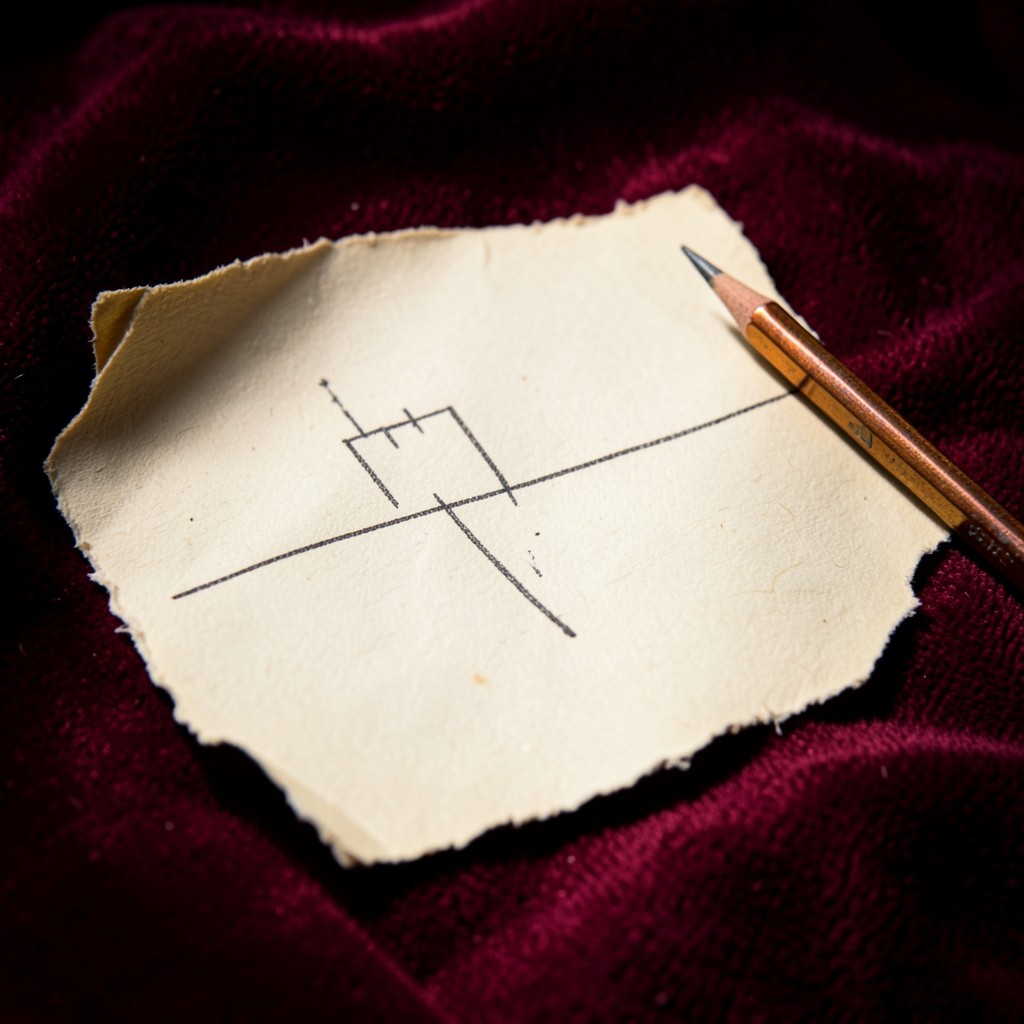
Draw the box first
A false break is only false relative to a range you were willing to defend. If the box was sketched after the wick, to make the wick look meaningful, the example is decoration.
In the Saturday clinic the box is finished, and argued, before the later candles are discussed. Students who want to adjust the boundary so that a favourite wick falls outside are asked to say which earlier swing they are throwing away.
The print, not the rumour of the print
On the sheet you can see the wick cross the line and the body finish back inside. That pair is the whole definition used in the room. Volume, if it is printed on the sheet, can support the story. It is not required for the label.
A close that finishes a hair outside is not filed as a false break just because the follow-through disappointed you. Disappointment is not a close back inside. Those near-misses go in a different pile: candidates that stalled.
What students write next
The useful note is short. 'Test of the high, close back inside, box unchanged.' If you then see a later close beyond the same line, that later close is a new fact. The false break does not ban it. It does warn you that this edge has already rejected once.
Prem, who later wrote up his studio folder for the notes page, spent evening three redrawing exactly this pattern from a Tuesday index session. His earlier habit was to count the wick as the break and the close as a nuisance. The printed sheet made the nuisance the point.